
World Cancer Day: the manager's guide after "I've got cancer"
CIPD-qualified · Quoted in Daily Express, The Mirror, HR Magazine, GB News & more

An employee has just told you they have cancer. What do you do next? A calm, human, step-by-step guide to respond with empathy, clarity, and practical employee cancer support.
Employee says they have cancer: what do you do next?
It's a normal day, you're knee-deep in emails, and an employee asks for a quick chat. They sit down, take a breath, and say: "I've been diagnosed with cancer."
Your brain goes blank. Your mouth wants to do that awkward thing where it blurts out something unhelpful. And meanwhile, you're trying to be kind, be practical, and not make it weird.
This is the calm, human, step-by-step guide for what to do next, especially if you're in a small business and there isn't a huge HR department to catch you.
What to say in the first conversation
You don't need perfect words. You need steady ones.
Here are lines you can actually use:
- "Thank you for telling me. I'm really sorry you're dealing with this."
- "You don't have to share anything you don't want to. Tell me what you feel comfortable sharing."
- "We'll take it one step at a time. What do you need from work right now?"
- "Would you like me to tell anyone else, or keep this private for now?"
- "I'll follow up in writing so you don't have to remember everything today."
What not to say (or do)
Try to avoid:
- miracle-cure stories and unsolicited advice
- "you don't look ill"
- "stay positive!" (it can feel like you're shutting them down)
- jumping straight to "how long will you be off?" (you'll talk about it, just not first)
Confidentiality: who can know, and how you handle it
Cancer is personal medical information. Don't share it because you feel you "should" keep people in the loop. Share only if the employee agrees, and only with genuine need-to-know people.
Ask:
- Who do you want me to tell (if anyone)?
- What do you want me to say?
- Do you want to tell the team yourself, or would you like me to?
If they want a simple message to the team, keep it neutral:
"X will be having some time away for health treatment. We'll share updates if and when X wants us to. Please respect their privacy."
The legal bit (UK): why this matters
In the UK, cancer is automatically treated as a disability from the day of diagnosis under the Equality Act. That means additional protection and a duty to consider reasonable adjustments.
Plain English: you need to handle absence, performance and workplace decisions carefully, and actively look for ways to reduce disadvantage at work.
Reasonable adjustments for cancer: practical examples
Adjustments don't have to be dramatic. Often it's small changes that make work possible without wiping someone out.
Examples that often help:
- flexible hours (later starts, shorter days, spreading hours differently)
- homeworking or hybrid where possible
- reduced workload or adjusted targets for a period
- extra breaks, a quiet space, camera-off options
- time off for treatment and recovery (planned and last-minute)
- temporary changes to duties (especially physical work, travel, heavy client loads)
- practical changes like closer parking or a more accessible workstation
How to agree adjustments without drowning in paperwork
A simple approach:
- Ask: "What's hardest right now?"
- Offer: "Here are a few options we can try."
- Agree: "Let's trial this for 2–4 weeks."
- Review: "What's working? What's not?"
- Write it down: a short summary so nobody has to rely on memory.
Sick pay basics: don't guess
This is where managers accidentally make things worse by winging it.
Best move:
- check your company sick pay policy (if you have one)
- confirm statutory sick pay eligibility and process with payroll or your accountant
- explain what you know now and what you'll confirm, then follow up in writing
If you're a small business, that "follow up in writing" part is gold. It stops misunderstandings and takes pressure off the employee to remember details when they're overwhelmed.
For more on structuring sick pay, see our guide to the advantages and disadvantages of sick pay schemes.
Fit notes: how to use them properly
Fit notes aren't always "off sick" notes. A GP can say someone:
- is not fit for work, or
- may be fit for work with adjustments
That second option is your cue to talk about what "work" could look like safely and realistically.
When a fit note comes in:
- read it properly (especially the "may be fit" section)
- talk through what's realistic
- if you can't do what's suggested, explore alternatives and note what you agreed
Occupational Health: a smart route for small businesses too
Occupational Health (OH) can help you with practical recommendations like:
- what adjustments might help during treatment
- how to plan a phased return
- what's safe for specific duties
- how side effects (fatigue, nausea, brain fog) can affect work
You don't have to be a big corporate to use OH. Many providers offer pay-as-you-go support, and some membership organisations or insurers include it as part of a package.
If you're unsure what's "reasonable," OH advice gives you something evidence-based to work from, and it takes pressure off managers to guess.
Support without getting weird about it
The sweet spot is supportive, consistent and normal.
Do:
- agree how often to check in and how (email/text/call)
- offer choice: "Do you want work updates or do you want to switch off?"
- keep them included if they want it (team news, invites, updates)
- handle cover without turning it into guilt
Don't:
- disappear because you're scared of saying the wrong thing
- treat them like fragile glass
- make them the "inspiration story" of the office
The bit people forget: who is supporting the manager?
Managers aren't robots. They may be worried about saying the wrong thing, juggling workload, holding emotional weight, and trying to keep the team steady.
If you're an owner or senior leader, ask yourself: how are we looking after the person doing the supporting?
Practical ways to support the manager:
- a weekly 15–20 minute check-in to talk through what's happening and what's coming up
- split roles where possible (manager handles day-to-day; owner/HR handles pay/policy/admin)
- give permission to set boundaries (supportive doesn't mean 24/7)
- signpost the manager too (so they're not holding it alone)
What small businesses can do to support themselves and employees
You can be a brilliant employer without a big HR team. The trick is having a simple plan and using outside support early.
Have a simple "serious illness" plan
A one-pager is enough:
- who handles pay and policy questions
- where confidential information is stored
- how absence is recorded
- how cover and handovers work
- how communication is agreed (including consent for what's shared)
Use external support earlier than you think
Useful routes:
- Occupational Health for evidence-based recommendations
- ACAS guidance for handling adjustments fairly and consistently
- Macmillan resources for work and cancer support
Set a communication rhythm
Agree:
- how often you'll check in
- what channel they prefer
- whether they want work updates or to switch off
- what the team will be told (and by who)
This reduces awkwardness and stops either pestering them… or disappearing.
A simple checklist you can follow
Today:
- listen, thank them, stay calm
- agree what can be shared and with who
- agree the next contact point and when
- follow up in writing with a short summary
This week:
- confirm sick pay position and process
- discuss adjustments and agree a short trial
- consider Occupational Health input (especially for safety-critical roles)
- set a check-in rhythm that suits them
Ongoing:
- review adjustments regularly (treatment changes, so needs change)
- keep notes factual and consistent
- support the manager with check-ins so they don't carry it alone
FAQs
What should I say when an employee tells me they have cancer?
Keep it simple and steady: thank them for telling you, acknowledge it, reassure them you'll take it step-by-step, and agree on what happens next. Avoid advice, assumptions, or jumping straight into "how long will you be off?"
What questions should I ask in the first meeting?
Focus on what they want and what they need:
- What do you feel comfortable sharing right now?
- What would help you most from work in the next few days/weeks?
- Is there anything urgent we need to adjust immediately (hours, workload, meetings)?
- Who (if anyone) can I tell, and what wording should I use?
- How would you like us to stay in touch?
Do they have to tell me what type of cancer it is or what treatment they're having?
No. They can share as much or as little as they want. Your job is to support them and explore adjustments based on what they say they can and can't do, not to collect medical details.
Can I tell the team?
Only if the employee agrees, agree on what can be shared, with whom, and in what wording. If they want privacy, you can still manage workload cover without giving details.
Is cancer classed as a disability at work in the UK?
Yes. Cancer is automatically treated as a disability from the day of diagnosis under the Equality Act. That brings protections and a duty to consider reasonable adjustments.
What are reasonable adjustments for an employee with cancer?
Common adjustments include flexible hours, temporary workload changes, time off for treatment, homeworking where possible, extra breaks, and temporary changes to duties. The best approach is to agree a short trial, review regularly, and keep notes of what you've agreed.
What if the employee wants to keep working through treatment?
Many people do. Focus on what makes work doable: flexibility, reduced pressure, clear priorities, and permission to change the plan if side effects hit. Keep checking in, because needs can change week to week (or day to day).
Do cancer-related absences count in sickness absence triggers?
You need to be careful. Because cancer is classed as a disability, disability-related absence often needs to be handled differently to avoid discrimination. Get HR advice (or ACAS guidance) before applying absence triggers in a blanket way.
Do I need a fit note?
Often, yes, depending on how long they're off and your policy. Fit notes can also say "may be fit for work" with adjustments, which can help you plan a safe return or continued work with changes.
Should we refer to Occupational Health (OH)?
If you can access OH, it's a smart move, especially if you're unsure what adjustments are reasonable, the role is safety-critical, or you need help planning a phased return. OH can give practical, evidence-based recommendations and takes pressure off managers to guess.
How often should I check in while they're off?
Ask them what they prefer. Some people want a short weekly message, others want space. Agree a rhythm and a channel (email/text/call) so it doesn't feel intrusive or like you've disappeared.
What should we do about workload cover?
Plan cover early, but don't make it the employee's emotional burden. A good line is: "We'll sort cover, you focus on you." Keep the team informed only to the level the employee has agreed.
How do we support the manager who's supporting the employee?
Don't leave them carrying it alone. Practical support looks like:
- a weekly 15–20 minute check-in with the owner/HR lead
- splitting responsibilities (manager handles day-to-day; owner/HR handles pay/policy/admin)
- clear boundaries on contact and availability
- access to external advice (OH/ACAS/Macmillan) so the manager isn't guessing
What can a small business do if we don't have HR?
Build a simple one-page "serious illness plan":
- who handles pay and policy questions
- where confidential info is stored
- who communicates with the employee and how often
- how cover and handovers work
- when you'll use external support (OH, ACAS, your payroll provider/accountant)
Need help building HR foundations? Our HR Advice Line and HR Protect plans give you expert support without needing a full HR team.
Can I get insurance for this type of sickness?
Yes, but it's usually about insuring the business impact, not "insuring the illness" in a way that replaces good management. Common options include:
-
Group Income Protection (GIP) / Group Permanent Health Insurance Helps replace a portion of an employee's salary if they're off long-term due to illness (often after a deferred period). This can be a big support for both employee and employer if absence is extended.
-
Relevant Life Insurance (death-in-service) This is life cover, not sickness cover, but some employers confuse the two. It won't pay out for illness unless it results in death.
-
Private Medical Insurance (PMI) Can help employees access private diagnosis/treatment faster (depending on policy terms). Some conditions/treatments may have limits, and cancer cover varies by plan.
-
Employee Assistance Programme (EAP) Not "insurance" in the traditional sense, but often a low-cost benefit that provides counselling, legal/financial advice lines, and manager support, hugely helpful during serious illness situations.
-
Key Person Insurance (for small businesses) If a key person's illness would seriously impact revenue, this can help the business survive financially. It's more common for founders/directors or highly specialised roles.
If you're considering insurance, ask:
- What problem are we trying to solve: employee financial support, faster access to treatment, business continuity, or manager wellbeing support?
- What's the waiting/deferred period?
- What exclusions apply?
- Does it cover existing conditions or only new diagnoses?
- What support services are included (rehabilitation, case management, counselling)?
A good broker can help you compare options, but it's worth starting with: "We want support for long-term sickness absence and cancer-related absence in a small business."
What if the employee's performance drops during treatment?
Treat it as a health/support issue first. Adjust workload, priorities, and expectations, and review regularly. Formal performance routes may be inappropriate if the drop is linked to disability-related effects, get advice before going there.
What if they decide they can't return to the role?
Handle it carefully and fairly. Explore adjustments, alternative roles where possible, and medical advice (often via OH). Avoid rushing decisions, the key is a clear, documented, compassionate process.
How do we avoid making it awkward?
Be consistent and normal. Agree on what support looks like, stick to what you said you'd do, and don't vanish. "Supportive" doesn't mean over-focusing on it every time you speak, it means being steady and reliable.
Final thought
When someone tells you they have cancer, they're not handing you an HR problem. They're trusting you with something huge.
Keep it human. Keep it fair. Keep it steady.
Getting support
Not sure where to start with your HR foundations? Take our free HR Health Check to see where you stand, or explore our HR Software to keep everything organised.
Today is World Cancer Day, a reminder that supporting people through cancer isn't just about policies and paperwork. It's about being human.
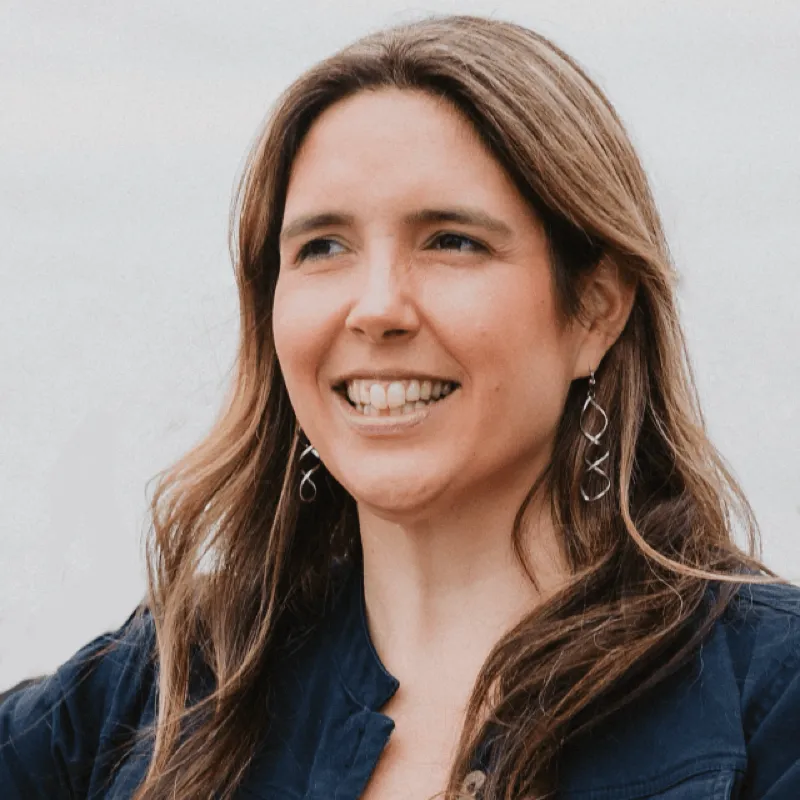
About Kate Underwood
HR consultant and founder of Kate Underwood HR. Providing HR Support for Small Businesses for over 10 years; in Hampshire, Dorset and across the UK.